Skip to content
Reviving Historic Homes: Balancing Charm with Modern Comfort
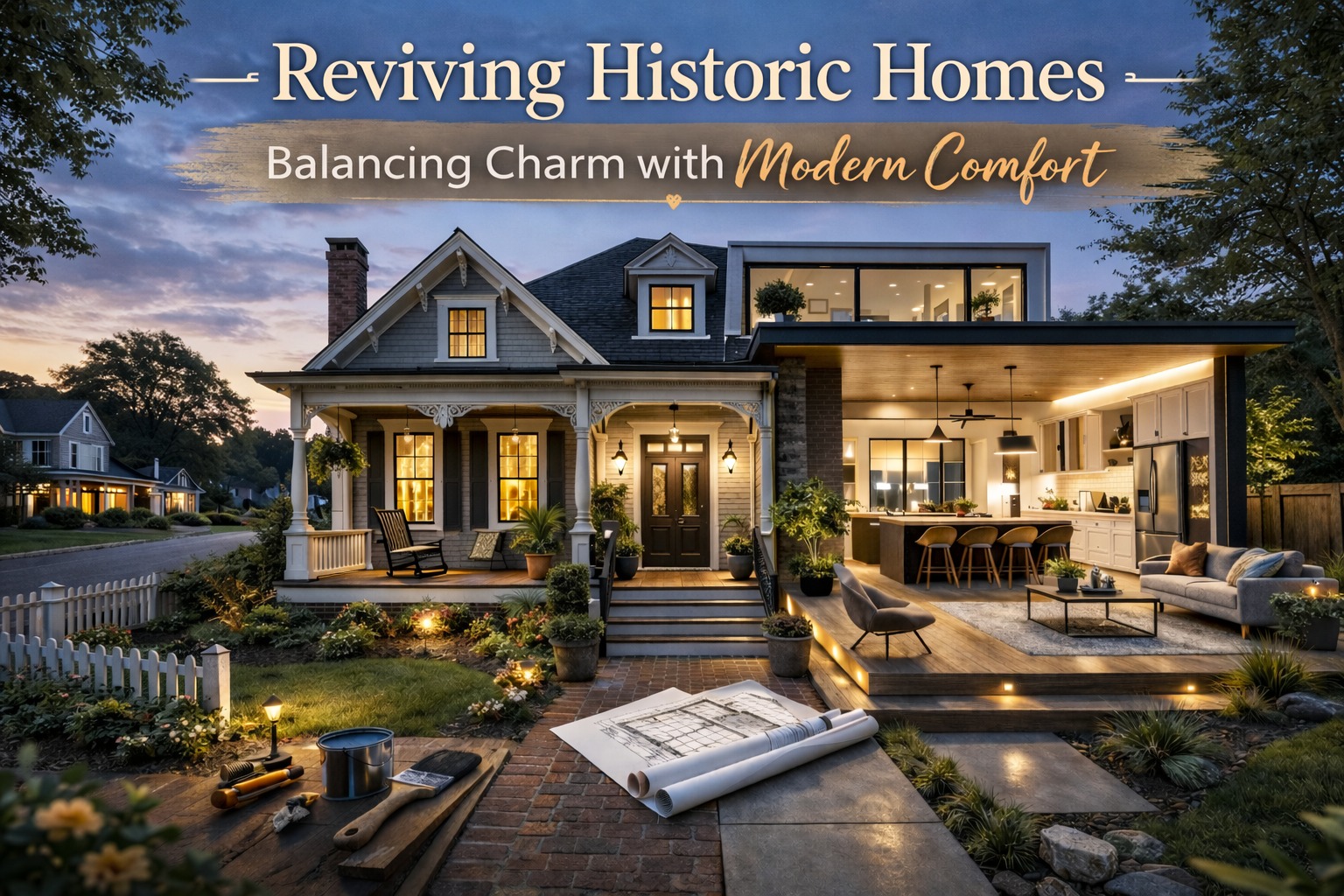
In Atlanta, where history is woven into the fabric of the city, there’s something truly special about the charm that comes with homes built decades — or even centuries — ago. But while these homes may have a rich history and stunning architecture, they often come with their own set of challenges. The task of balancing the timeless appeal of these homes with the comforts and conveniences of modern living can feel overwhelming. But don’t worry — this process can be both rewarding and achievable with the right approach.
In this blog, we’ll explore how you can bring historic homes into the 21st century while preserving their unique charm. Whether you’re a first-time homebuyer, a renovation enthusiast, or simply someone dreaming of a piece of history in the heart of Atlanta, we’ll provide you with practical tips for breathing new life into a vintage property.
1. Embrace the Architectural Beauty of Historic Homes
When you purchase a historic home in Atlanta, the first thing you’ll notice is the unique architectural details that newer homes often lack. From Victorian townhouses in Midtown to charming bungalows in Inman Park, historic homes offer a variety of architectural styles that reflect the rich history of Atlanta. The intricate woodwork, high ceilings, detailed moldings, and period-specific features give your home personality and a story to tell.
However, it’s essential to recognise the value of these details. Keeping these features intact doesn’t mean you need to live in the past. With careful restoration and preservation, you can maintain the historic charm while updating the home for modern living.
Tip: If you’re looking to keep the authenticity of the home, consider working with a specialist in historic restoration. They can help you preserve the most valuable elements, such as windows, fireplaces, and woodwork, while ensuring that they meet modern standards for efficiency and durability.
2. Prioritize Energy Efficiency
One of the most significant challenges with older homes in Atlanta is energy efficiency. Historic homes were built before the era of central air conditioning, high-efficiency windows, and energy-saving appliances. While these homes may be full of character, they often have outdated insulation and can be drafty, leading to higher energy bills.
Luckily, there are plenty of solutions for making a historic home more energy-efficient without compromising its charm.
Modern Insulation Techniques: For example, you can insulate the walls, attic, and floors without sacrificing the home’s structure. Closed-cell spray foam insulation, for instance, is a great option that provides insulation while helping maintain the home’s integrity.
Energy-Efficient Windows: Replacing old windows with energy-efficient models doesn’t mean you have to sacrifice the look of historic panes. You can install double-glazed windows with historic finishes that improve energy performance while maintaining the home’s original aesthetic.
Smart Thermostats & HVAC Systems: You can also incorporate smart thermostats and modern HVAC systems to control the temperature more efficiently. These systems can be discreetly integrated into the space, ensuring comfort without disrupting the home’s historic feel.
3. Preserve Original Materials While Updating Key Features
Many historic homes in Atlanta feature materials like hardwood floors, plaster walls, and natural stone that are rare in modern builds. These materials add warmth, texture, and authenticity to the home. As you plan renovations, consider preserving these materials while updating other elements of the house.
For example, you can restore worn-out wood floors and reapply finishes that will give them new life. Plaster walls can often be patched or re-coated to preserve their look. If your home has a brick fireplace, it may be possible to clean and restore the brick, making it a focal point of your living space once again.
At New House Alliance, we recommend focusing on key areas such as kitchens and bathrooms for updates that are both modern and practical. These spaces can greatly benefit from updated appliances, fixtures, and modern layouts while still honoring the overall aesthetic of the home.
4. Use Modern Design Elements to Complement the Historic Style
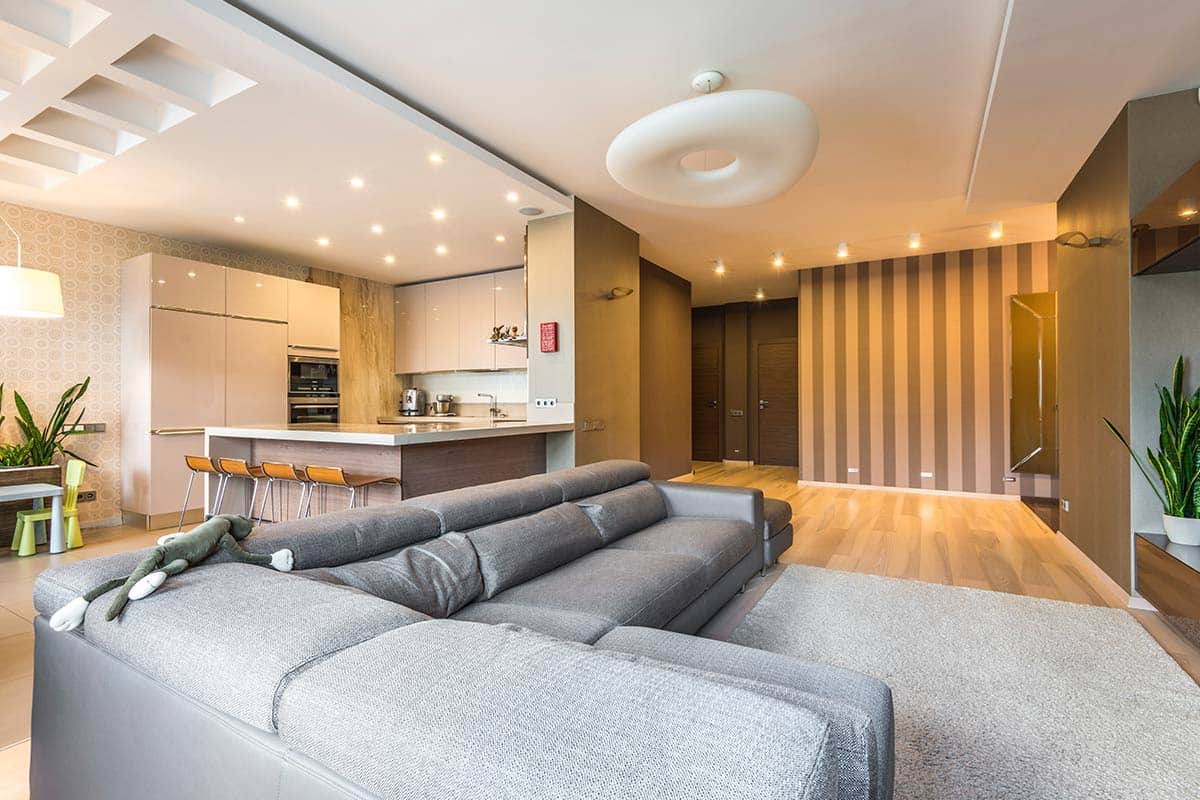
While you want to preserve the history of the home, that doesn’t mean you can’t incorporate modern design elements. Finding a balance between the old and the new is key. Modern touches, such as contemporary lighting, sleek appliances, and minimalist decor, can work beautifully alongside historic features.
For instance, you could opt for modern, stylish furniture and accessories that contrast nicely with classic features like crown molding or original hardwood floors. A modern kitchen with sleek countertops and appliances can sit beautifully in a vintage home, with the right mix of finishes and design to complement the space.
It’s about creating a seamless flow between the old and the new, where both elements stand out. For example, a vintage chandelier might look stunning in a modern living room with clean, minimalist furniture, giving the space an eclectic yet balanced look.
5. Focus on the Flow of the Space
Historic homes often have unique layouts that may not align with modern preferences. While these homes are often full of charm, they may have smaller rooms, lower ceilings, and fewer open-concept spaces than today’s homebuyers typically desire.
As you go through your renovations, consider the flow of the space. You may want to open up walls to create more open living areas or rethink the layout to suit your lifestyle. But be careful to preserve the home’s structure and character, even as you update the layout. For instance, an open-plan kitchen and dining room can work beautifully in an old house if you can retain some of the original character of the walls and flooring.
6. Budgeting for Historic Home Renovations
Restoring a historic home in Atlanta can be an exciting but costly venture. It’s essential to plan your budget carefully, as unexpected issues can arise during renovations. Old plumbing, electrical systems, and foundations can often be hidden under the surface, and when renovations begin, they may need attention.
We recommend hiring a professional inspector who specializes in historic homes to provide a detailed assessment before you make any major decisions. This will help you prioritize the most critical renovations, such as structural issues, and allocate your budget accordingly.
Be realistic about what can be done in the short term and what may need to wait. It might be wise to focus on restoring key areas first, like the kitchen, bathroom, and living spaces, and tackle other parts of the home later on. A phased approach can ensure that you don’t get overwhelmed by the scale of the project.
7. Respect Local Guidelines and Preservation Rules
Conclusion: Create a Home that Tells a Story
Reviving a historic home in Atlanta is not only about restoring a building; it’s about preserving a piece of history and making it work for today’s lifestyles. At New House Alliance, we believe that balancing charm with modern comfort is the key to creating a home that is both beautiful and functional.
By combining the best of both worlds — keeping the architectural charm while integrating modern comforts — you’ll create a space that feels timeless and welcoming. Whether you’re looking to buy or renovate, historic homes offer an incredible opportunity to connect with the past while making your mark on the future.
Ready to find your dream historic home in Atlanta?
Visit us at New House Alliance and start exploring today.