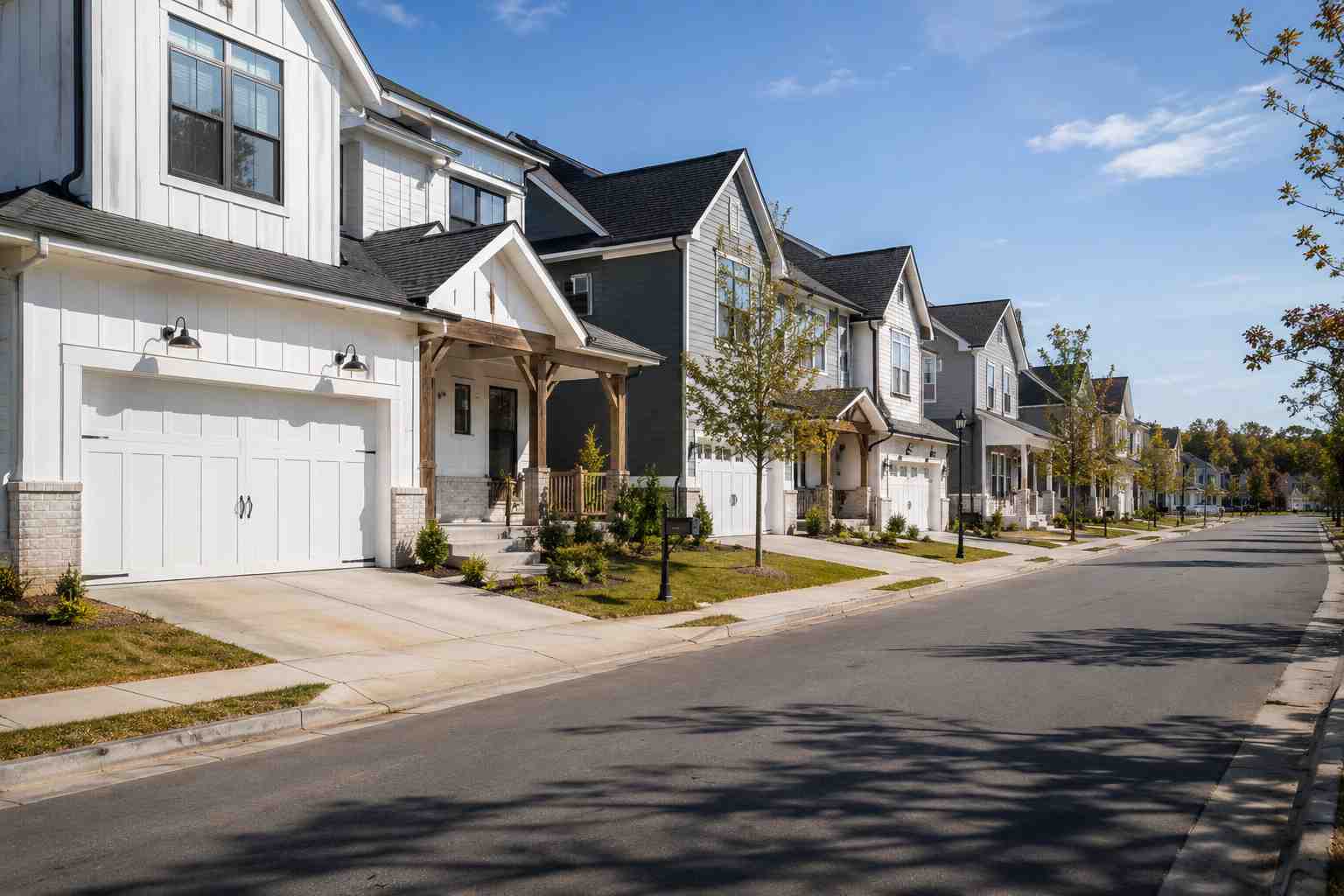
New Homes for Rent in Atlanta, GA – First-Time Renter Guide
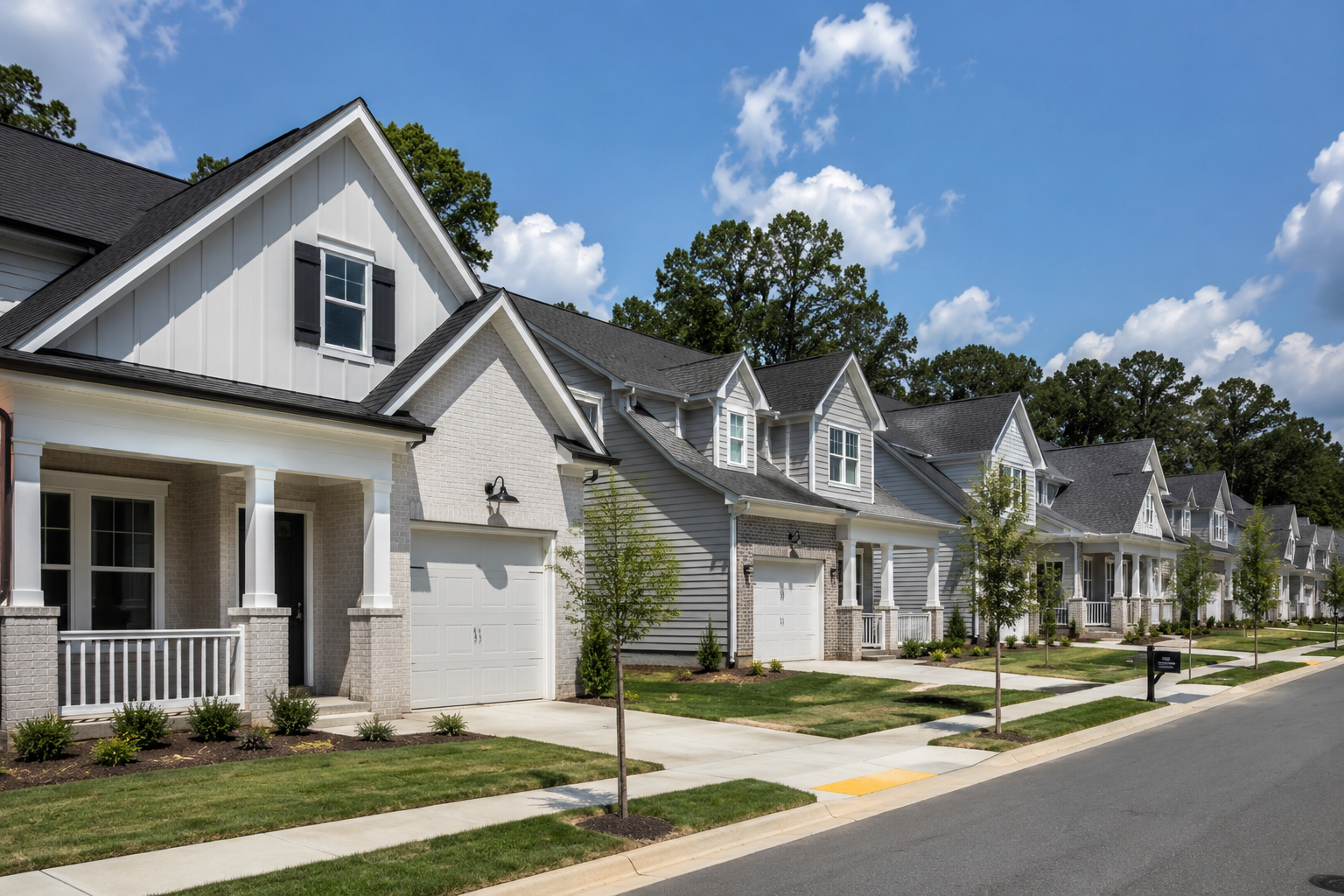
Where can first-time renters find new homes for rent in Atlanta, GA?
In 2026, the best areas for new construction rentals are Decatur, South Fulton, Douglasville, Austell, Powder Springs, and parts of Cobb County. Monthly rents for newer single-family homes and townhomes typically range from $1,600 to $2,500+, with move-in costs often totaling $3,200–$5,000. Most landlords require a minimum 620 credit score and proof of income at 3x monthly rent. Build-to-rent communities are the fastest-growing new housing option, offering private homes with resort-style amenities without the commitment of buying.
In This Guide
- The Atlanta Rental Market in 2026 – What to Expect
- Best Atlanta Neighborhoods for First-Time Renters
- What New Home Rentals in Atlanta Really Cost
- Renting vs. Buying: New Homes for Rent vs. New Homes for Sale
- Your Lease Checklist – Questions to Ask Before You Sign
- Georgia Landlord – Tenant Law: Know Your Rights
- Frequently Asked Questions (FAQs)
1. The Atlanta Rental Market in 2026 — What First-Time Renters Should Expect
Atlanta remains one of the most dynamic rental markets in the Southeast in 2026. Job growth, population expansion, and continued economic development across the metro area are sustaining high demand for rental housing, particularly for new homes for rent in Atlanta, GA, that offer modern construction, private outdoor space, and flexible living options.
What has shifted in 2026 is choice. The rise of build-to-rent communities has given first-time renters an entirely new category of housing to consider, something between a traditional apartment and full homeownership. These newly constructed single-family homes and townhomes come with private entrances, attached garages, backyards, and amenities comparable to luxury apartment developments.
Why New Construction Rentals Are Different from Apartments
Many first-time renters assume apartments are their only option. New homes for rent in Atlanta, GA, offer a compelling alternative, especially for families, remote workers, pet owners, and anyone who simply wants more room to live comfortably.
- Private entrances and no shared walls, quieter, more privacy
- Attached garages and private driveways
- Backyards and dedicated outdoor space, ideal for pets and children
- Multiple bedrooms and full-size kitchens, not studio layouts
- Modern construction with updated appliances, finishes, and energy efficiency
- Build-to-rent community amenities: pools, fitness centers, walking trails, dog parks
"Renters searching for a new home Atlanta experience are often surprised to discover that build-to-rent communities can offer the feel of homeownership without any of the ownership commitment."
Common Mistakes First-Time Renters Make in Atlanta
Experienced real estate professionals at Newhouse Alliance see the same mistakes repeated by first-time renters. Knowing them in advance can save you significant money and frustration:
- Focusing only on monthly rent—utilities, pet fees, parking, and commute costs all impact your true housing budget
- Signing without reading the lease—early termination penalties, renewal terms, and guest policies can be costly surprises
- Skipping neighborhood research—traffic, safety, schools, and access to amenities affect daily quality of life far more than a floor plan
- Ignoring future goals—your rental choice should reflect where you want to be in 3–5 years, not just today
2. Best Atlanta Neighborhoods for First-Time Renters Seeking New Construction
Atlanta is a large and diverse metro, and the right neighborhood for you depends on your budget, lifestyle, commute, and future plans. Here's where new home Atlanta rental inventory is strongest in 2026:
| Vibe / Feature | Neighborhood | Description |
|---|---|---|
| Walkable · Established | Decatur | Popular for its walkable downtown, strong local culture, and easy MARTA access to Atlanta. Good mix of rental inventory with community character. Slightly higher pricing but strong long-term desirability. |
| Affordability · Growth | South Fulton | A growing inventory of newer homes with competitive pricing compared to intown neighborhoods. Expanding commercial development and improving infrastructure make it attractive for value-focused renters. |
| Intown Lifestyle | West Midtown & Kirkwood | New residential development along the BeltLine corridor and in West Midtown attracts renters who prioritize restaurants, walkability, and urban energy. Less space per dollar, but high lifestyle value. |
| Space · Value · New Build | Douglasville & Austell | West of Atlanta and growing fast. Some of the largest build-to-rent communities in the metro are in this corridor. More square footage, newer construction, and more competitive rents than intown. |
| Family-Friendly | Powder Springs & Cobb County | Strong school districts, parks, and family-friendly communities. Cobb County offers a wide range of newer rental homes with easy access to employment corridors and suburban amenities. |
| Up & Coming | Jonesboro & South Metro | Expanding rental inventory and competitive pricing in Clayton County and south metro Atlanta. A strong option for first-time renters prioritizing budget without sacrificing newer construction quality. |
Intown vs. Suburban: Which Is Right for You?
Intown Atlanta
- Walkable to restaurants, entertainment, transit
- Shorter commutes to major employment centers
- Vibrant urban culture and social scene
- Less space per dollar spent on rent
- Higher rents for comparable square footage
Suburban Atlanta
- Larger homes and private outdoor space
- More competitive monthly rents
- Newest build-to-rent communities
- Stronger school districts in many areas
- Car-dependent — commute planning essential
3. What New Homes for Rent in Atlanta, GA Really Cost in 2026
The monthly rent is only the beginning. First-time renters who plan around the advertised price often find themselves financially stretched by move-in costs and ongoing expenses they didn't anticipate.
| Cost Item | Typical Range | Notes |
|---|---|---|
| Monthly Rent | $1,600 – $2,500+ | Varies by neighborhood, size, and amenities. Suburban areas trend lower. |
| Security Deposit | 1–2 months' rent | Typically $1,600–$5,000 depending on property and credit profile |
| First Month's Rent | Due at signing | Often required upfront alongside the security deposit |
| Application & Admin Fees | $50 – $250 | Varies by landlord and management company |
| Pet Deposit / Pet Fee | $200 – $500+ | Non-refundable pet fees are common on newer properties |
| Utilities (avg. monthly) | $150 – $350+ | Electricity, gas, water, and internet — often not included in rent |
| Renter's Insurance | $15 – $30/mo | Usually required; protects your belongings and provides liability coverage |
| Moving Expenses | $300 – $2,000+ | DIY vs. professional movers—plan early to keep costs down |
| Total Move-In Cost (est.) | $3,200 – $5,500+ | Budget conservatively — surprises are common for first-timers |
Furnishing Your New Home Without Breaking Your Budget
One advantage of renting a house over an apartment is more space, but more space means more furniture. First-time renters can manage furnishing costs by:
- Prioritizing essentials first and adding pieces gradually over 6–12 months
- Shopping Facebook Marketplace, estate sales, and thrift stores for quality furniture at a fraction of retail cost
- Choosing multi-purpose furniture: sleeper sofas, storage ottomans, dining benches
- Accepting hand-me-downs from family when the style works
- Setting a monthly furnishing budget and tracking it like any other expense
4. New Homes for Rent in Atlanta, GA vs. New Homes for Sale—When Does Buying Make More Sense?
Many first-time renters eventually ask the same question: Should I keep renting or start preparing to buy? The honest answer depends on your timeline, finances, and goals, not a one-size-fits-all rule.
Renting Makes Sense When...
- You're new to Atlanta and still exploring neighborhoods
- You plan to stay less than 3 years
- Your credit or savings aren't quite ready for a mortgage
- You want flexibility without long-term financial commitment
- You prefer maintenance handled by someone else
Buying Makes Sense When...
- You plan to stay in Atlanta for 3–5+ years
- You have stable income and a solid credit profile
- You've saved for a down payment and closing costs
- You want to build equity and stop paying someone else's mortgage
- Mortgage payments are comparable to your current rent
Some affordable homes in Atlanta have monthly mortgage payments that are not dramatically higher than current market rents, especially when factoring in Georgia's first-time homebuyer assistance programs, down payment grants, and competitive mortgage rates. The comparison is worth making with a professional before assuming renting is always the cheaper option.
For most people who eventually want to buy house Atlanta, the rental period is best used as a preparation phase: improving credit, building savings, and learning which neighborhoods genuinely fit your lifestyle before committing.
5. Your First-Time Renter Lease Checklist — Questions to Ask Before You Sign
The lease is a legal contract, and what you don't ask before signing can become very expensive later. Here is the essential checklist every first-time renter should work through before committing to any new home in Atlanta:
Pre-Lease Signing Checklist — 10 Essential Questions
- What is the total monthly cost? Ask for all fees in writing: rent, parking, amenity charges, and any mandatory insurance requirements.
- Which utilities are included? Some new homes include water and trash; most do not include electricity, gas, or internet. Clarify upfront.
- What are the lease renewal terms? Will rent increase at renewal? How much notice is required from either party?
- What is the early termination policy? Life changes. Know the penalty and notice requirements before you need them.
- How are maintenance requests handled? Is there a professional management company? What is the expected response time for repairs?
- What are the pet policies? Get pet deposits, breed restrictions, and monthly pet fees in writing before moving in with animals.
- What is the guest policy? Long-term guests can violate lease terms in some agreements; clarify what's allowed.
- What are the move-out inspection standards? Understanding how the security deposit is evaluated at move-out prevents disputes later.
- Is renter's insurance required? Many newer properties require a minimum liability policy. Your belongings are not covered by the landlord's insurance.
- What modifications are permitted? Painting walls, mounting TVs, and installing fixtures may require landlord permission in writing.
6. Georgia Landlord-Tenant Law — What Every First-Time Renter in Atlanta Must Know
Understanding Georgia's landlord-tenant laws gives you real protection throughout your rental experience. Most first-time renters don't know their rights until something goes wrong—and by then, it's often harder to remedy.
Georgia Landlord-Tenant Law — Key Rights for Renters
What Georgia Law Protects for Renters in 2026
- Security deposits must be returned within one month of move-out, with a written itemized list of any deductions
- Landlords who fail to return deposits on time may owe the tenant the full deposit amount plus additional damages
- Tenants have the right to habitable housing; landlords must maintain plumbing, heating, and structural safety
- Landlords must give at least 60 days' notice to terminate a month-to-month tenancy
- Tenants cannot be legally evicted without proper court proceedings; verbal "eviction notices" have no legal force
- Document everything: take timestamped photos at move-in and move-out to protect your security deposit rights
- Georgia law does not limit how much a landlord may charge for a security deposit; clarify amount before signing
A well-informed renter is always in a stronger position, both to avoid problems and to resolve them quickly when they arise. If you have questions about your rights in a specific rental situation, Newhouse Alliance Corp can help you navigate the process and connect you with appropriate resources.
Ready to Find Your New Home in Atlanta?
Whether you're searching for a new rental home today or starting to plan your path to homeownership, Newhouse Alliance Corp is here to help you navigate every step with confidence.
7. Frequently Asked Questions (FAQs)
Where can I find the best new homes for rent in Atlanta, GA, in 2026?
The best areas to find new homes for rent in Atlanta, GA, in 2026 include Decatur, South Fulton, Douglasville, Austell, Powder Springs, and parts of Cobb County. Build-to-rent communities are growing fastest in suburban growth corridors. Working with a local agent at Newhouse Alliance Corp and setting up listing alerts on rental platforms can help you access new properties before they fill up.
How much does it cost to rent a new home in Atlanta, GA?
New homes for rent in Atlanta, GA, typically cost between $1,600 and $2,500+ per month in 2026, depending on size, location, and amenities. Suburban areas like Douglasville and South Fulton tend to be more affordable than intown neighborhoods. Total move-in costs (first month, deposit, fees) commonly range from $3,200 to $5,500.
What credit score do I need to rent a new home in Atlanta?
Most landlords renting new homes in Atlanta, GA, prefer a minimum credit score of 620, though requirements vary by property. Strong income (typically 3x monthly rent), clean rental history, and professional references can help offset a lower credit score in some cases. Build-to-rent communities managed by national companies may have stricter requirements than individual landlords.
Is renting a new home in Atlanta better than buying?
Renting offers flexibility and lower upfront costs, ideal for those new to Atlanta or not yet ready for a mortgage. Buying becomes more advantageous when you plan to stay 3–5+ years and have stable income and savings. Some affordable homes in Atlanta have mortgage payments comparable to rent, making the buy vs. rent comparison worth a professional evaluation with Newhouse Alliance Corp.
What is a build-to-rent community in Atlanta?
A build-to-rent community is a newly developed residential neighborhood where all homes are designed for renters, not buyers. These communities offer single-family homes or townhomes with private entrances, garages, yards, and luxury amenities like pools, fitness centers, and dog parks. They are the fastest-growing segment of Atlanta's rental market, primarily in suburban growth corridors.
What are the best Atlanta neighborhoods for first-time renters?
Top neighborhoods for first-time renters in Atlanta include Decatur (walkable, community-driven), South Fulton (affordable, newer inventory), West Midtown and Kirkwood (intown lifestyle), and suburban options like Douglasville, Austell, and Powder Springs (space, new construction, value). The right choice depends on commute requirements, budget, and lifestyle priorities.
How long should I rent before buying a house in Atlanta?
Most experts recommend considering homeownership when you plan to stay in Atlanta for at least 3–5 years. Use your rental period to improve your credit score, build savings for a down payment, and explore neighborhoods. Newhouse Alliance Corp can help you create a personalized timeline to transition from renting to owning at the right moment.
What does Georgia landlord-tenant law say about security deposits?
Under Georgia law, landlords must return security deposits within one month of move-out with a written itemized list of deductions. Failure to comply may entitle the tenant to the full deposit plus damages. Renters should document the property's condition with timestamped photos at both move-in and move-out to protect their rights under Georgia landlord-tenant law.